Installation & Maintenance Best Practices for Durable Rack Systems
Modern rack systems are no longer optional accessories; they are structural tools that directly affect safety, load stability, and long-term usability. Whether racks are used for vehicles, storage, or specialized transport, proper installation and ongoing maintenance determine how well the system performs over time. Many users underestimate this phase, focusing only on rack type or price, but incorrect mounting or neglecting routine care often leads to premature failure, safety risks, and unnecessary replacement costs.
Installation & maintenance should be treated as a lifecycle process rather than a one-time task. From preparing mounting surfaces to aligning components and monitoring wear patterns, every step contributes to durability. When approached methodically, a rack system can maintain structural integrity for years, even under frequent or heavy use. This guide explains the complete process with clarity, depth, and practical insight.
Understanding the Role of Installation & Maintenance in Rack Longevity
Installation & maintenance directly influence how load forces are distributed across a rack system. Even a high-quality rack can fail if installed on uneven surfaces or fastened incorrectly. Poor alignment increases stress on joints and mounting points, accelerating metal fatigue and loosening fasteners over time. Maintenance, on the other hand, identifies these issues early, preventing small faults from escalating into major failures.
Many rack-related issues trace back to shortcuts taken during installation. Missing torque specifications, incorrect spacing, or incompatible mounting hardware all compromise stability. Maintenance ensures that environmental exposure, vibration, and repeated loading do not degrade performance. When both installation and maintenance are handled professionally, racks remain stable, quiet, and safe across varied operating conditions.
Pre-Installation Planning and Site Preparation
Successful rack installation begins long before tools are picked up. Planning ensures compatibility between the rack system and its mounting surface. Measurements must be accurate, weight limits clearly understood, and environmental factors evaluated. Surfaces should be inspected for rust, cracks, or uneven areas that could interfere with proper seating.
Cleaning the installation area is essential. Dirt, grease, or debris can prevent tight contact between components, leading to micro-movement once loads are applied. Checking manufacturer guidelines before installation helps avoid common mistakes, such as incorrect bolt grades or unsuitable mounting points. A well-prepared site reduces installation time and improves long-term performance.
Load Assessment and Weight Distribution
Understanding expected load types is critical. Static loads behave differently from dynamic loads caused by motion, vibration, or wind resistance. Proper installation accounts for these forces by distributing weight evenly across mounting points. Overloading a single section may not cause immediate failure, but it significantly reduces the rack’s lifespan.
Weight distribution planning also improves safety. Balanced loads reduce sway, noise, and stress concentration. Installation & maintenance strategies that prioritize even distribution protect both the rack and the surface it is mounted on, especially in mobile or outdoor applications.
Step-by-Step Rack Installation Fundamentals
Installation should follow a logical sequence that ensures alignment and structural integrity. Components must be loosely assembled first, allowing for minor adjustments before final tightening. This prevents misalignment and uneven stress. Using calibrated tools and following torque specifications is non-negotiable for safe installation.
After alignment, fasteners should be tightened gradually and evenly. Rushing this process often leads to stripped threads or warped components. Final checks include verifying level alignment, ensuring all locking mechanisms are engaged, and confirming that moving parts operate smoothly. A disciplined installation approach reduces the need for early adjustments.
Common Installation Mistakes to Avoid
One frequent mistake is overtightening fasteners, which weakens threads and reduces clamping effectiveness. Another is ignoring manufacturer spacing recommendations, which can compromise load capacity. Skipping protective washers or using incompatible hardware also increases wear.
Avoiding these mistakes requires patience and adherence to documented guidelines. Installation & maintenance are interconnected, and errors made during installation often demand repeated maintenance later. Doing it right the first time saves time and resources.
Environmental Factors Affecting Installation & Maintenance
Environmental exposure significantly impacts rack performance. Outdoor installations face moisture, UV radiation, and temperature fluctuations, all of which accelerate material degradation. Indoor racks may encounter humidity, dust, or chemical exposure depending on their environment.
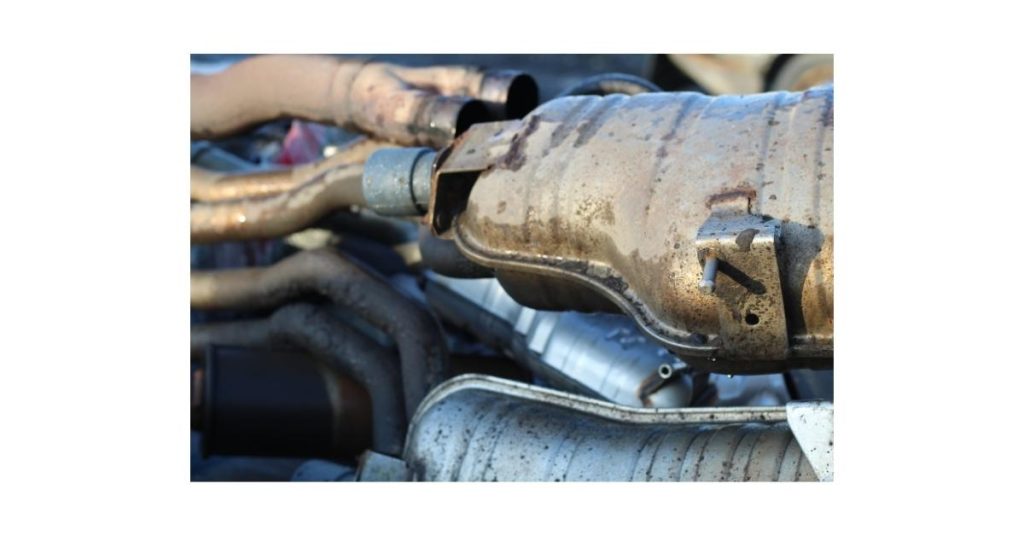
Choosing corrosion-resistant materials and protective coatings during installation helps mitigate these risks. Maintenance schedules should be adjusted based on environmental severity. For example, coastal or industrial environments demand more frequent inspections to prevent rust or chemical damage.
Routine Maintenance: The Key to Long-Term Reliability
Maintenance is not about fixing failures; it is about preventing them. Regular inspections identify loose fasteners, surface corrosion, and structural deformation early. A simple visual check can reveal misalignment or unusual wear patterns that indicate underlying issues.
Routine maintenance should include cleaning, retightening fasteners, and lubricating moving parts where applicable. These actions preserve functionality and prevent minor issues from escalating. When maintenance is consistent, racks retain their original load capacity and stability far longer.
For structured guidance and deeper insights into professional practices, many users rely on trusted resources like Installation & Maintenance to stay aligned with proven standards.
Maintenance Frequency and Inspection Intervals
Inspection intervals depend on usage intensity and environmental conditions. High-use racks may require monthly checks, while low-use systems can be inspected quarterly. Maintenance records help track changes over time, making it easier to spot gradual degradation.
Documenting inspections also improves accountability and safety compliance. When maintenance becomes routine rather than reactive, rack systems perform consistently and safely throughout their service life.
Identifying Wear, Fatigue, and Structural Stress
Structural fatigue often develops slowly and invisibly. Hairline cracks, subtle bends, or discoloration near joints are early warning signs. Ignoring these indicators can lead to sudden failure under load. Maintenance routines should prioritize areas where stress concentrates, such as mounting points and joints.
Using torque checks and alignment measurements helps detect changes before visible damage occurs. Early intervention extends rack lifespan and prevents costly downtime or accidents. Installation & maintenance practices that focus on stress monitoring are essential for safety-critical applications.
Cleaning and Surface Protection Techniques
Cleaning is a fundamental yet overlooked maintenance task. Dirt and debris trap moisture, accelerating corrosion. Regular cleaning removes these contaminants and allows for better inspection. Mild detergents and non-abrasive tools preserve protective coatings.
Applying rust inhibitors or protective sprays after cleaning adds an extra layer of defense. Surface protection is especially important for outdoor racks or those exposed to chemicals. Consistent cleaning enhances both appearance and structural longevity.
Fastener Management and Hardware Integrity
Fasteners are the backbone of rack stability. Over time, vibration and load cycling can loosen bolts and nuts. Maintenance routines should include checking torque levels and replacing worn hardware. Using locking fasteners during installation reduces the likelihood of loosening.
Hardware integrity also depends on material compatibility. Mixing metals can cause galvanic corrosion, weakening connections. Proper installation & maintenance ensure that fasteners remain secure and effective throughout the rack’s lifespan.
Upgrades, Adjustments, and System Modifications
As usage requirements evolve, racks may need adjustments or upgrades. Adding accessories or changing load configurations should always be approached cautiously. Modifications must respect original load ratings and mounting specifications.
Any adjustment should be followed by a complete inspection. Maintenance after modification ensures that new stress patterns do not compromise safety. Installation & maintenance are continuous processes that adapt alongside changing needs.
Safety Considerations and Compliance
Safety is the ultimate objective of proper installation & maintenance. Secure racks protect users, equipment, and surrounding structures. Compliance with load ratings and installation guidelines reduces liability and risk.
Training users to recognize warning signs and report issues enhances overall safety culture. When installation and maintenance are treated as shared responsibilities, rack systems remain dependable and compliant.
Long-Term Cost Benefits of Proper Installation & Maintenance
Investing time and effort into proper installation and routine maintenance delivers measurable financial benefits. Well-maintained racks require fewer repairs, experience less downtime, and avoid premature replacement. Over the long term, these savings outweigh the initial investment.
Additionally, consistent maintenance preserves resale value and brand reputation for commercial users. Installation & maintenance are not expenses but strategic investments in reliability and performance.
For ongoing best practices and expert-level insights, professionals frequently consult Installation & Maintenance resources to ensure their systems meet evolving standards.
Building a Sustainable Maintenance Culture
Sustainable maintenance is about habits, not heroics. Simple routines, clear documentation, and regular training create a culture where rack care becomes second nature. When installation and maintenance are embedded into operational workflows, failures become rare exceptions.
A disciplined approach ensures that rack systems remain safe, efficient, and durable throughout their intended lifespan. By prioritizing installation & maintenance from day one, users gain confidence, reliability, and long-term value from every rack system they deploy.