Exhaust Components and Their Role in Vehicle Performance
Exhaust components are critical to how a vehicle manages engine gases, controls noise, and meets emission standards. Every time the engine runs, exhaust gases must exit efficiently without harming performance or the environment. This entire process depends on how well individual exhaust components work together as a system. From the exhaust manifold to the tailpipe, each part has a specific responsibility that directly affects power delivery, fuel efficiency, and engine health. Understanding exhaust components helps vehicle owners identify problems early, choose better upgrades, and maintain long-term reliability without unnecessary repairs or performance loss.
How Exhaust Components Work as a System
Exhaust components are designed to function as a unified pathway rather than isolated parts. When combustion occurs, gases leave the engine through the exhaust manifold and travel through multiple components before exiting the vehicle. Each stage manages pressure, temperature, and sound. If one component fails or becomes restrictive, it disrupts the entire flow. Balanced exhaust components reduce backpressure while maintaining proper exhaust velocity. Learning how different Exhaust Components interact allows drivers to understand why small issues like leaks or clogs can lead to noticeable drops in performance and efficiency.
Exhaust Manifold and Its Core Function
The exhaust manifold is the first major component in the exhaust system. It collects exhaust gases from multiple cylinders and directs them into a single pipe. Because it handles extremely high temperatures, the manifold is typically made from cast iron or stainless steel. A cracked or warped manifold can cause exhaust leaks, increased engine noise, and reduced efficiency. Well-designed manifolds improve exhaust scavenging, helping the engine expel gases more effectively. This directly impacts horsepower, throttle response, and fuel combustion consistency.
Headers as Performance-Focused Components
Headers are performance-oriented alternatives to traditional exhaust manifolds. Instead of a compact design, headers use individual pipes for each cylinder to improve exhaust flow. This reduces interference between exhaust pulses, allowing gases to exit more smoothly. Headers are common upgrades for performance vehicles because they increase horsepower and torque. However, they often require precise installation and heat management. Choosing headers over stock manifolds is a decision that affects tuning, emissions compliance, and long-term maintenance.
Catalytic Converter and Emissions Control
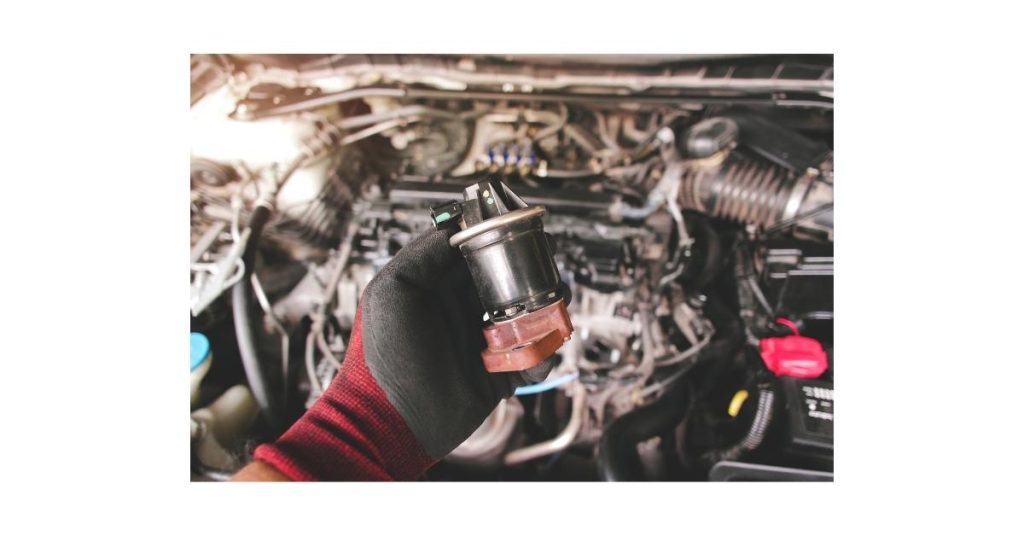
The catalytic converter is one of the most important exhaust components for environmental compliance. It reduces harmful pollutants by converting toxic gases into less harmful emissions before they exit the tailpipe. Inside the converter, precious metals trigger chemical reactions that break down pollutants. A failing catalytic converter can cause power loss, poor fuel economy, and engine warning lights. Because of its role, this component must remain intact and functional to meet legal emissions standards in most regions.
Resonator and Sound Refinement
A resonator is designed to fine-tune exhaust sound rather than reduce volume. It works by canceling out specific sound frequencies that cause harshness or drone. Vehicles without resonators often produce unpleasant tones at certain speeds. While not always present in every exhaust system, resonators improve driving comfort, especially during highway cruising. Properly tuned resonators allow aggressive exhaust notes without excessive cabin noise, making them valuable components for both stock and modified vehicles.
Muffler and Noise Reduction
The muffler is the primary noise-control component in an exhaust system. It uses chambers, baffles, or perforated tubes to reduce sound levels before gases exit the vehicle. Different muffler designs produce different sound characteristics, ranging from quiet and smooth to loud and aggressive. While performance mufflers may increase exhaust flow, poorly chosen designs can create unwanted drone. Selecting the right muffler balances sound preference with comfort and efficiency.
Exhaust Pipes and Diameter Considerations
Exhaust pipes connect all exhaust components and guide gases toward the tailpipe. Pipe diameter plays a significant role in exhaust performance. Pipes that are too small create backpressure, while oversized pipes can reduce exhaust velocity and torque. Proper sizing depends on engine displacement, power output, and intended use. Material choice also matters, as stainless steel pipes resist corrosion better than mild steel. Well-designed piping ensures smooth gas flow and long-term durability.
Flex Pipe and Vibration Control
Flex pipes are designed to absorb movement and vibration between the engine and exhaust system. Engines shift slightly during acceleration and braking, and without flex pipes, rigid exhaust systems could crack. A damaged flex pipe often causes rattling noises and exhaust leaks. Though small, this component protects more expensive exhaust parts from stress-related damage. Replacing worn flex pipes promptly prevents larger structural issues within the exhaust system.
Oxygen Sensors and Engine Feedback
Oxygen sensors are electronic exhaust components that monitor oxygen levels in exhaust gases. This data is sent to the engine control unit to adjust fuel delivery. Accurate sensor readings ensure optimal combustion, fuel efficiency, and emissions control. Faulty oxygen sensors can cause poor mileage, rough idle, and increased emissions. Modern vehicles rely heavily on these sensors, making them critical for both performance and regulatory compliance.
Exhaust Tips and Final Gas Exit
Exhaust tips are the visible end of the exhaust system and primarily serve aesthetic and minor acoustic purposes. While they do not significantly impact performance, exhaust tips can slightly influence sound projection. Materials like stainless steel and chrome resist corrosion and enhance appearance. Though often overlooked, poorly installed tips can cause rattling or uneven exhaust flow at the exit point.
Material Quality in Exhaust Components
Material choice directly affects the lifespan of exhaust components. Aluminized steel offers affordability but is vulnerable to rust over time. Stainless steel provides superior heat resistance and durability, making it ideal for long-term use. High-performance applications may use titanium for weight reduction and heat management. Understanding material differences helps vehicle owners make informed decisions when repairing or upgrading exhaust components.
Common Wear and Failure Points
Exhaust components experience constant heat cycles and exposure to moisture. Common failure points include gaskets, flex pipes, and weld joints. Corrosion often starts from the inside due to condensation buildup. Regular inspections help detect issues early. Addressing minor leaks or rust spots prevents costly replacements and preserves engine efficiency. Knowing how exhaust components degrade over time improves maintenance planning.
Performance Impact of Upgraded Exhaust Components
Upgrading specific exhaust components can yield noticeable performance improvements. High-flow catalytic converters, performance mufflers, and mandrel-bent pipes reduce restriction. These upgrades enhance throttle response and horsepower when matched correctly to the engine. However, random upgrades without system balance can reduce performance. Understanding how Exhaust Components interact ensures that modifications deliver real benefits rather than unwanted side effects.
Exhaust Components and Fuel Efficiency
Efficient exhaust flow supports better combustion and fuel economy. Restricted or damaged components force the engine to work harder, increasing fuel consumption. Properly maintained exhaust components allow gases to exit smoothly, helping the engine operate within optimal parameters. Even small improvements in exhaust efficiency can result in noticeable savings over time, especially for high-mileage vehicles.
Legal and Compliance Considerations
Many exhaust components are regulated to meet noise and emissions laws. Removing or modifying catalytic converters, mufflers, or sensors can result in legal penalties. Vehicle owners should understand local regulations before making changes. Maintaining compliant exhaust components ensures uninterrupted vehicle operation and avoids inspection failures.
Long-Term Value of a Healthy Exhaust System
A well-maintained exhaust system protects the engine, improves efficiency, and enhances driving comfort. Exhaust components may not receive the same attention as engine or suspension parts, but their impact is just as significant. Investing in quality components and timely maintenance reduces long-term costs and preserves vehicle value. Understanding exhaust components empowers drivers to make smarter decisions that benefit both performance and reliability.